
SILICONE INK

Are you ready to learn more about the color magic of

silicone ink?

  • Soft touch
  • Flexible & Durable
  • High-end texture
silicone ink
HOW IT WORKS

The 3 steps to follow when using

组 20

Ink Preparation and Printing

Silicone ink is a viscous, transparent paste. Before use, it needs to be diluted with a silicone-specific thinner to achieve a printable consistency. For color mixing, use silicone pigment paste.

组 21
Curing Conditions

Silicone ink mixed with hardener must be used within 4–6 hours. Do not use it after this period.After printing, the printed silicone should be placed in an oven at 100–120°C for 1 hour to ensure complete curing.

组 22
Storage and Security

Storage conditions:Avoid light, keep cool and ventilaion.
Characteristics

Three Key Benefits of Silicone

Superior Elasticity

Silicone ink is naturally flexible and elastic, making it ideal for stretchable fabrics and products that undergo repeated deformation.

Soft & Smooth Hand Feel

Silicone inks are formulated to provide a soft and smooth hand feel after curing. The finished print offers a comfortable touch, making it particularly suitable for sportswear, activewear, fashion garments, and other applications where print feel is important.

Excellent Molding Performance

Highly moldable and versatile, allowing the ink to be screen printed in thick layers to create striking 3D effects. It can also be used for embossing and molding applications, providing greater flexibility for creating dimensional and textured designs.

Screen Mesh Selection

Select the appropriate screen mesh size according to the required printing thickness, pattern detail, and coverage. For high-build screen printing effects, a lower mesh count of 100–120 mesh is recommended, which is more suitable for thick-layer printing. For color printing, a higher mesh count of 150–180 mesh can be used. For silicone screen printing, the maximum recommended mesh count is 180 mesh. Higher mesh counts are more difficult to control and can easily result in visible mesh marks on the printed surface.

Squeegee Selection

For silicone screen printing, a sharp-edge squeegee with a hardness of 65–70 Shore A is recommended.Silicone ink has a high viscosity and elastic, which makes it more prone to deformation and dragging during printing. A sharp-edge squeegee provides a more precise contact point with the screen, allowing the ink to pass through the mesh in a more controlled manner. This helps reduce ink dragging and uneven deposits, while maintaining a stable and uniform print thickness, which is particularly important for high-build and 3D silicone printing.

Drying & Curing Conditions

Our silicone ink is generally mixed with 10% hardener. The more hardener is added, the slower the silicone will cure. The mixing ratio should be adjusted according to the actual environmental conditions, such as temperature and humidity. Silicone ink mixed with hardener must be used within 4–6 hours. Do not use it after this period.After printing, the printed silicone should be placed in an oven at 100–120°C for 1 hour to ensure complete curing.

Avoid Cross-Contamination

Do not mix different ink systems, series, or curing agents unless compatibility has been verified. Even small amounts of incompatible materials may affect viscosity, adhesion, drying, or final performance. Water-based or solvent-based inks cannot be screen printed directly onto silicone, as this result in poor bonding and delamination between the ink layers. If this application is necessary, a special intermediate layer treatment is required to ensure proper adhesion.

Special Fabric Considerations

For polyester fleece fabrics, pay special attention to dye migration and sublimation issues. It is recommended to first print two layers of right-angle silicone ink, followed by a layer of anti-sublimation silicone ink. For Lycra fabrics with a silicone oil coating or fabrics that have undergone special surface treatment, silicone ink may cannot adhere directly to the surface. In such cases, apply 7# Silicone Ink as a base coat before proceeding with regular silicone screen printing.

Screen printing diagnostic

Understand your problem

Why do you keep having problems with your screen printing? Is it the ink? Or is it your technique?

画板 1 副本 2

SILICONE

PRODUCTS SHOWCASE

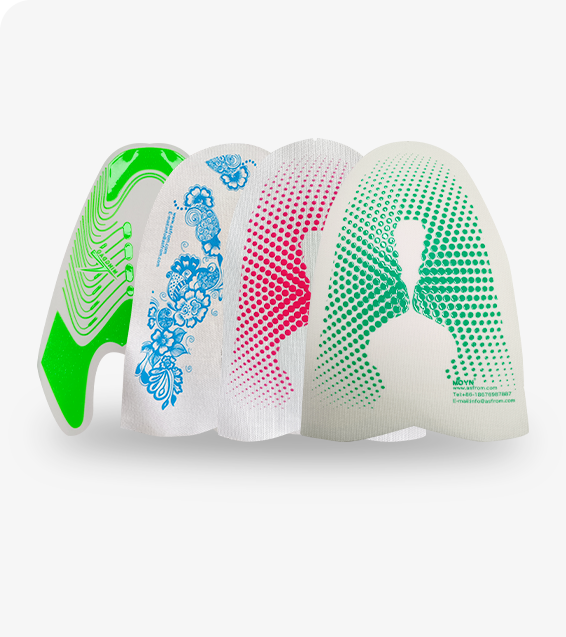
shoe upper

Shoe upper

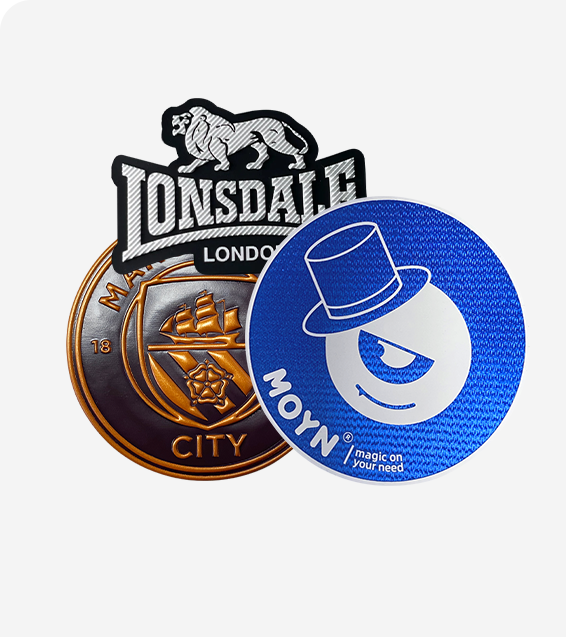
silicone heat transfer sticker

Silicone heat transfer sticker

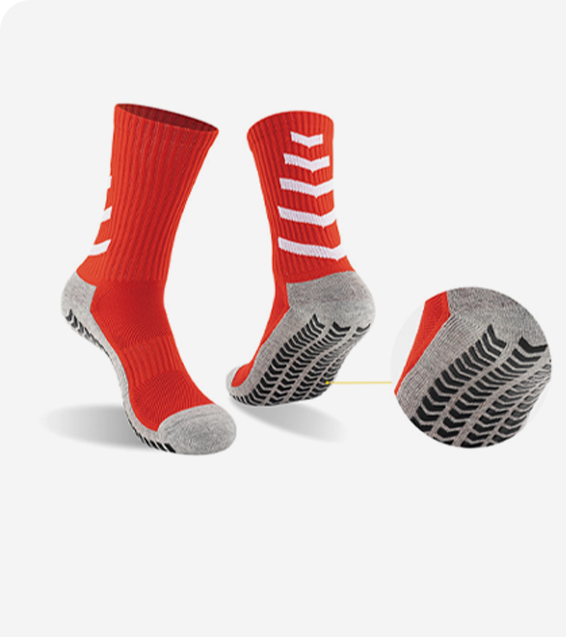
underwear anti slip

Underwear Anti-slip

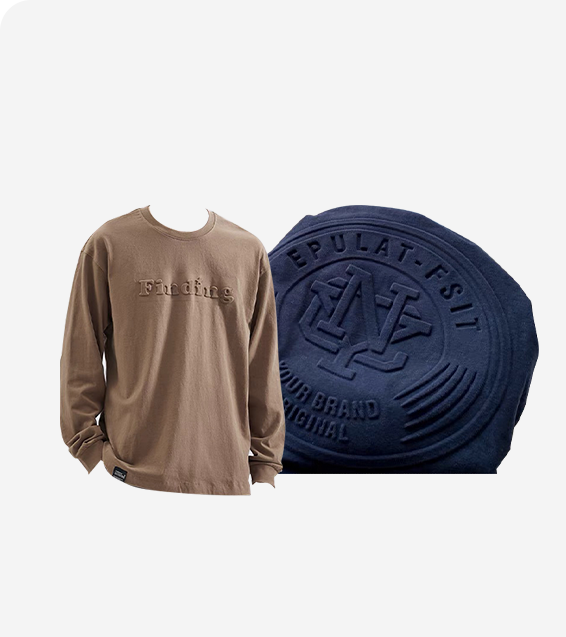
t shirt printing

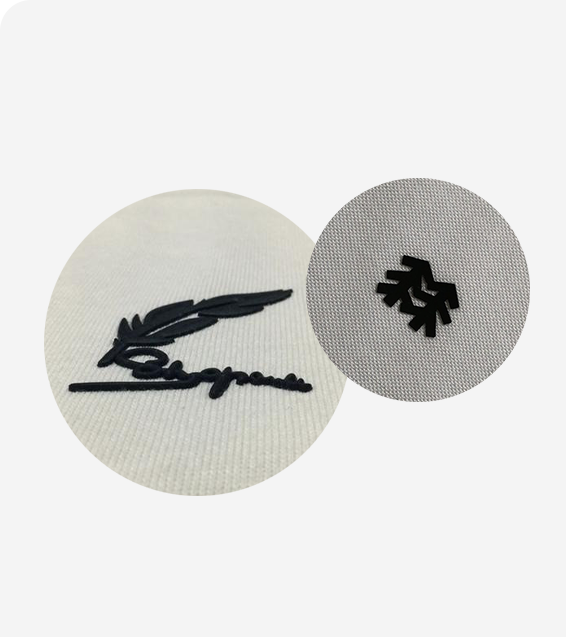
Embossing effect

3d pattern

3D moulding logo

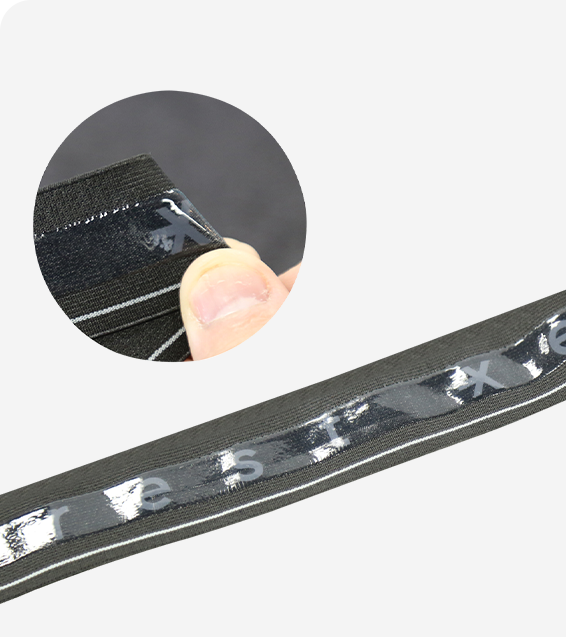
high elasticity band

High-elasticity band

画板 1 副本 2

SILICONE

INK MODEL

Direct printing

Ink
Model No.
Property
Application
Right angle silicone
S022
Right-angle effect, high elasticity,soft touch
For knitted fabrics
Round angle silicone
S031
Strong fluidity, glossy rounded corners
Applied in shoe, clothing and other industries, it can be used for color matching and small area covering
Anti-slip silicone
S032
Mirror finish silicone
Used for cover, high-glossy effect
Glossy cover silicone
S053
High transparency, strong fluidity
For overlays,suitable for glossy square effects or glossy rounded effects
Matt silicone ink
S061
Matte, smooth,no whitening
Matte cover for right-angle effects
Anti-sublimation silicone ink
S101
Exquisite,slow sublimation for a long time
used for knitted fabric with poor color fastness
Anti-toxic silicone
S021
High elasticity, soft touch
Prevent the ink from reacting with the material, suitable for fabrics that are prone to poisoning and poor firmness, such as laminated cloth and nylon webbing

Moulded & Embossing

Ink
Model No.
Property
Application
Embossed silicone
S026
High hardness, good shaping effect
Suitable for knitted fabrics
Molded silicone
S037
Easy to defoam,Good adhesion, strong tear resistance
Suitable for fabrics that are not easy to penetrate and have good elasticity, such as: nylon, Lycra, canvas, etc.