
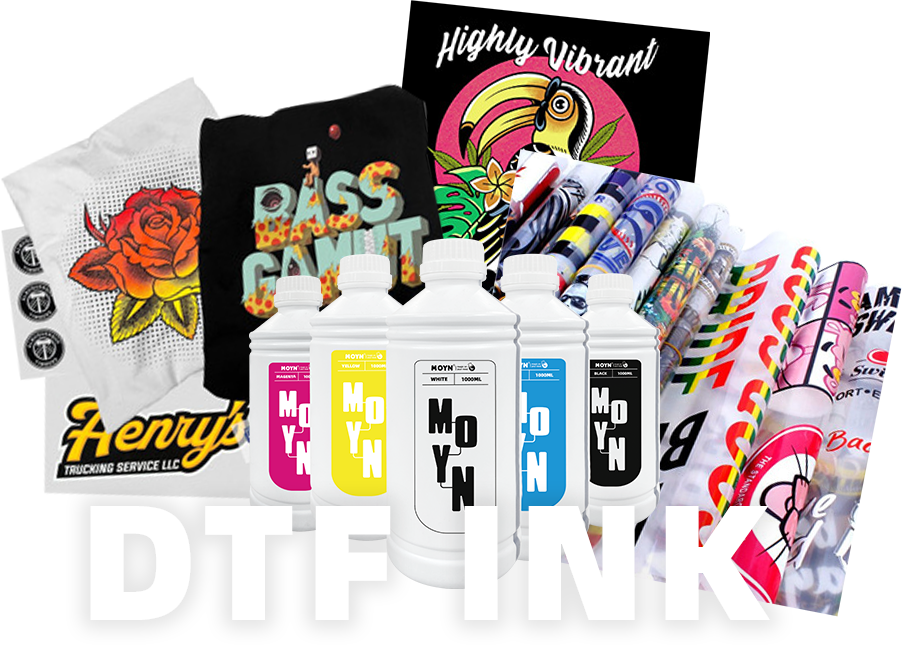
TDF Ink

Are you ready to learn more about the color magic of

TDF Ink?

  • Strong Adhesion
  • Excellent Durability
  • Versatile Printing
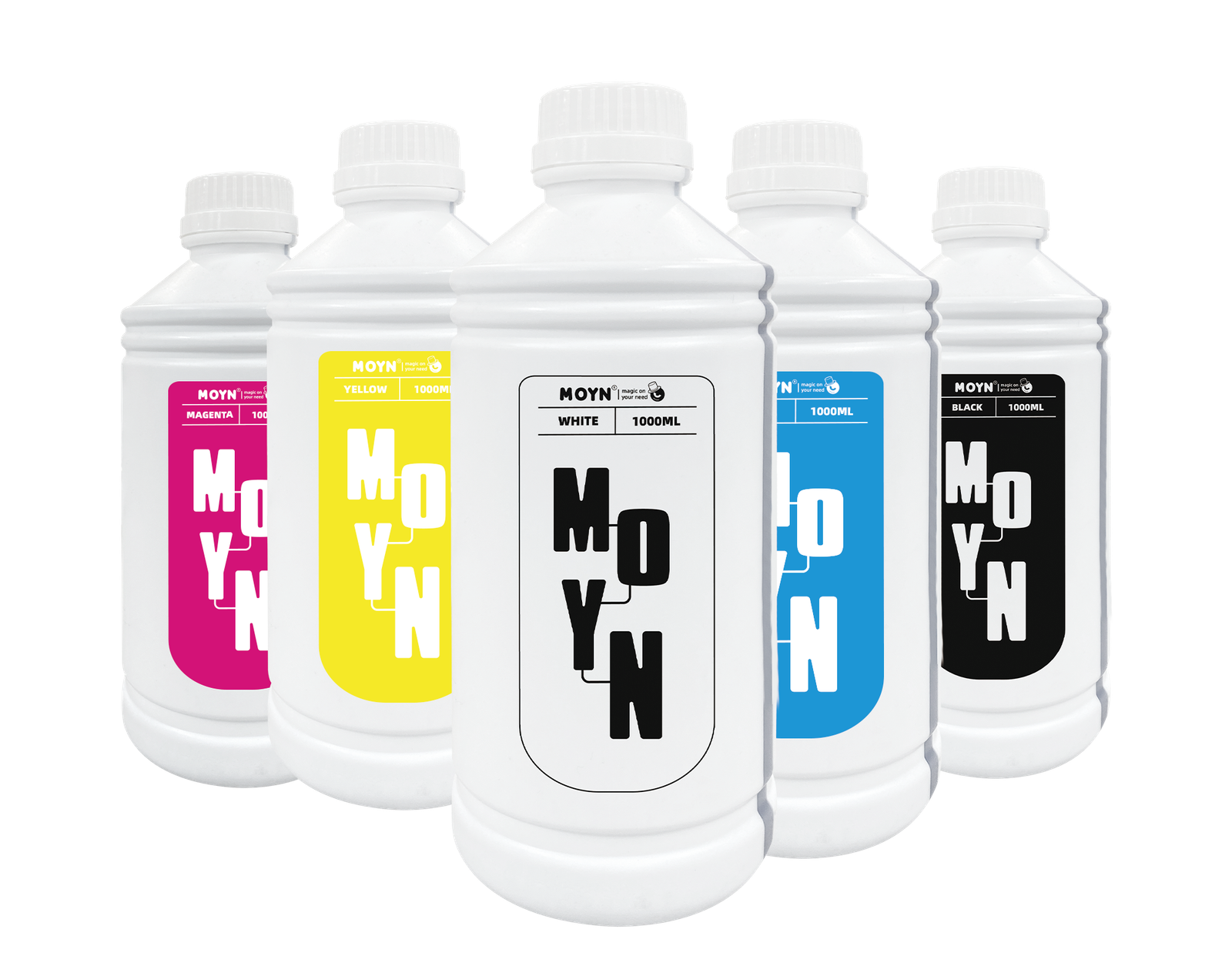
dtf瓶
HOW IT WORKS

The 3 steps to follow when using

绿1

Ink Formulation and Printing

Stir thoroughly: After opening the can, stir the contents thoroughly. Two-component inks must be mixed in the specified ratio.

绿2
Curing conditions

Low-temperature curing: Cure at 100–130°C for 20–30 minutes, or cure at 180°C or above for 10–15 minutes (depending on ink type).

l绿3
Storage and Security

Sealed Storage: Unused ink must be sealed and stored at 0-10°C. Avoid high temperatures and direct sunlight.

Characteristics

Three Key Benefits of TDF Ink

Premium Performance & Flexibility

Silicone is a high-performance, flexible, and durable material with a premium feel. It offers excellent elasticity and long-term stability, making it ideal for applications that require both softness and strength without deformation.

Outstanding Resistance & Durability

Silicone is highly resistant to heat, cold, UV exposure, water, and chemicals. Even under harsh environmental conditions, it maintains its original shape, texture, and color, ensuring long-lasting performance and reliability.

Apparel & Footwear Uses

Non-toxic and skin-friendly, silicone is widely used in the clothing and footwear industries. Common applications include T-shirt printing, underwear anti-slip patterns, shoe upper printing, heat-transfer labels, and stretch fabrics, delivering both functional performance and a high-end visual effect.

Key considerations for screen printing DTF ink:

Screen Selection and Plate Making

1. Mesh count: Recommended 80-120 mesh. Excessively high mesh counts may prevent silicone from passing through, while excessively low counts may cause uneven flow. 2. Photoresist thickness: Requires 0.1-0.5mm to enhance three-dimensional effects. Adjust based on sample thickness.

Ink Types and Curing

1.Two-component silicone: Requires mixing of A/B components, baking at 120-160°C, offers strong adhesion but requires high-temperature resistant materials. 2.One-component silicone: Air-dries naturally (6-10 minutes), suitable for fabrics or plastics that cannot withstand high temperatures.

Printing Process Control

1. Ink Layer Thickness: Conductive ink must be >30μm, with resistance <200Ω (4mm spacing) 2. Squeegee Hardness: Approx. 55° Shore A, speed 12-24 cm/s, to prevent deformation of curved key bodies 3. Design Specifications: Character spacing should not be too close; background area should be 0.1-0.2mm smaller than surface color to prevent adhesion

Environment and Safety

1. VOC Restrictions: Must comply with standards such as EU Directive 2004/42/EC to control volatile organic compound emissions. 2. Food Contact Safety: For food packaging applications, must meet migration limits and heavy metal thresholds specified in GB 4806.14-2023.

Frequently Asked Questions

1. Color Variation: A 0.1μm variation in ink layer thickness can cause noticeable color differences, requiring strict control of ink-water balance. 2. Screen Clogging: Excessively rapid solvent evaporation may clog mesh openings; add defoaming agents (e.g., SSYK defoamer at 0.5-1.0%).

Screen printing diagnostic

Understand your problem

Why do you keep having problems with your screen printing? Is it the ink? Or is it your technique?

werat basemoynlogo

TDF Products Showcase

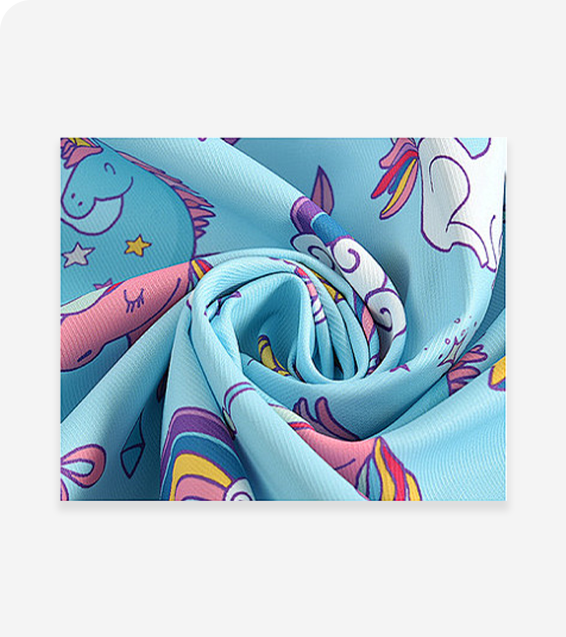
textile industry for fabric printing
Textile Industry For fabric printing.
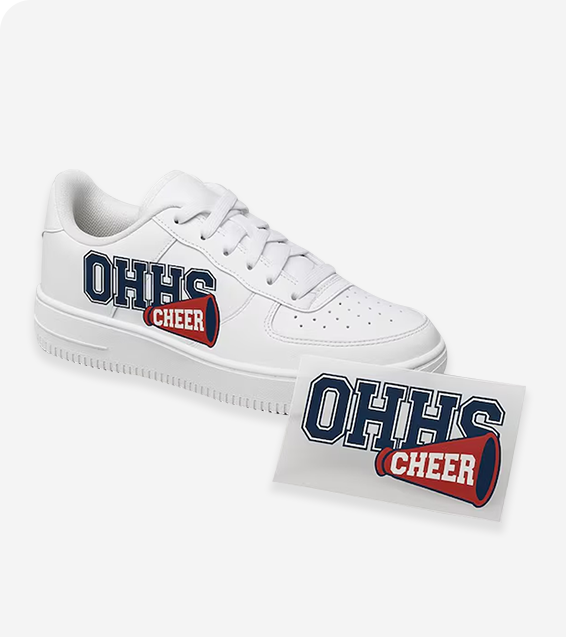
footwear industry for shoes and eva
Footwear Industry For shoes and EVA.
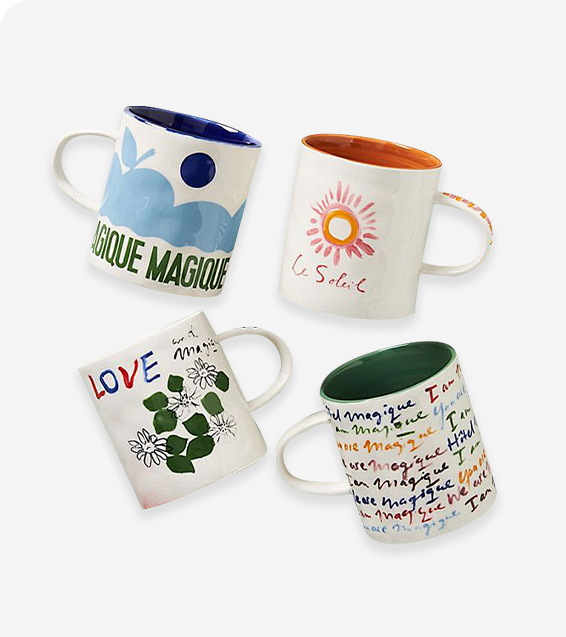
marco's cup for cup printing
Marco's Cup For cup printing.
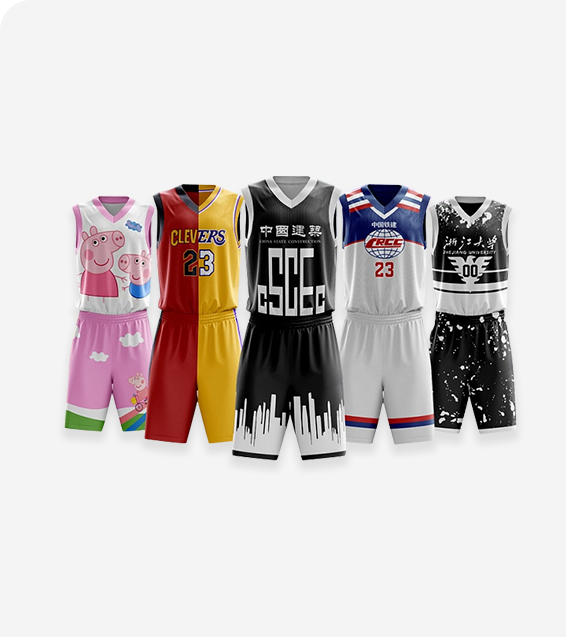
sportswear printing for performance wear
Sportswear Printing For performance wear.
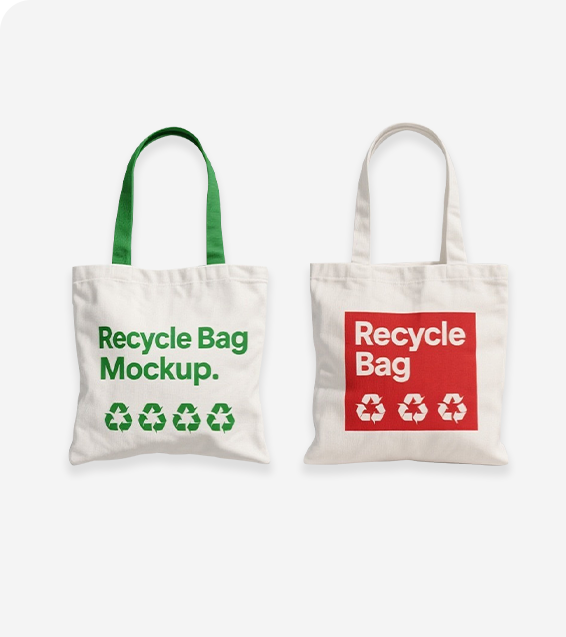
bag and accessories for bags and accessories
Bag and Accessories For bags and accessories.
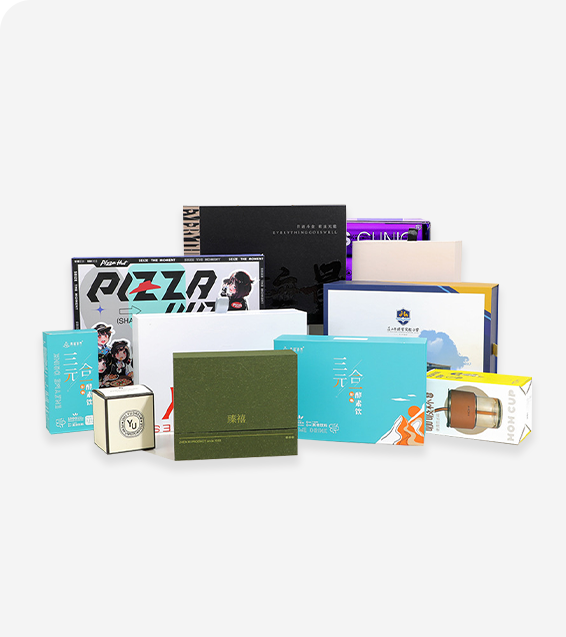
gift box packaging for box printing
Gift box packaging For box printing.