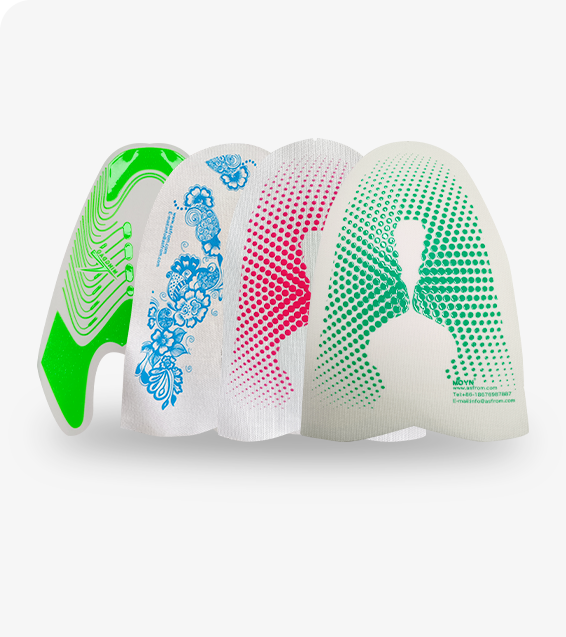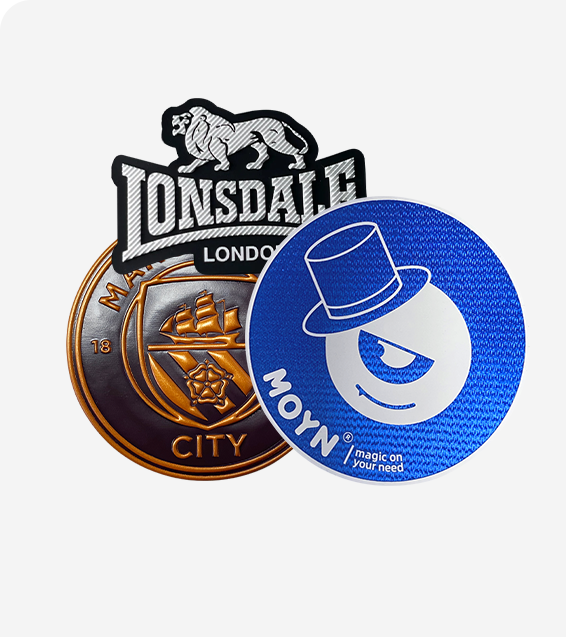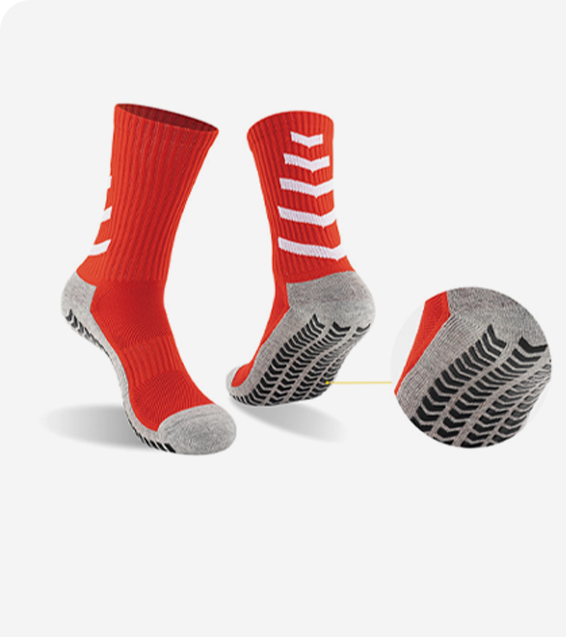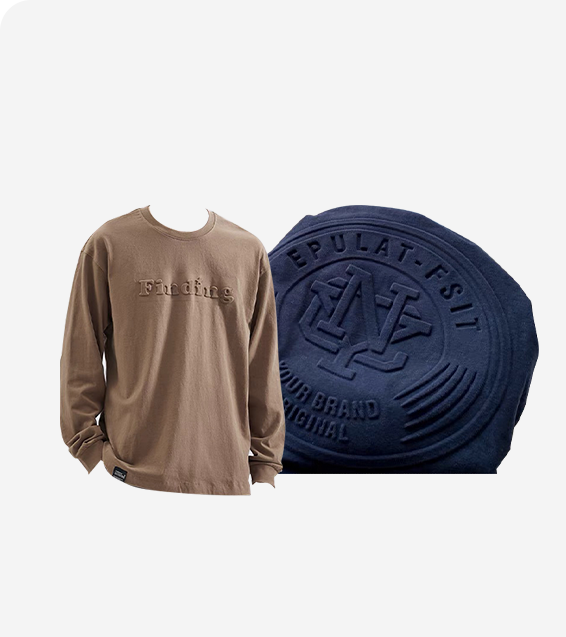

SILICONE INK
Are you ready to learn more about the color magic of
silicone ink?
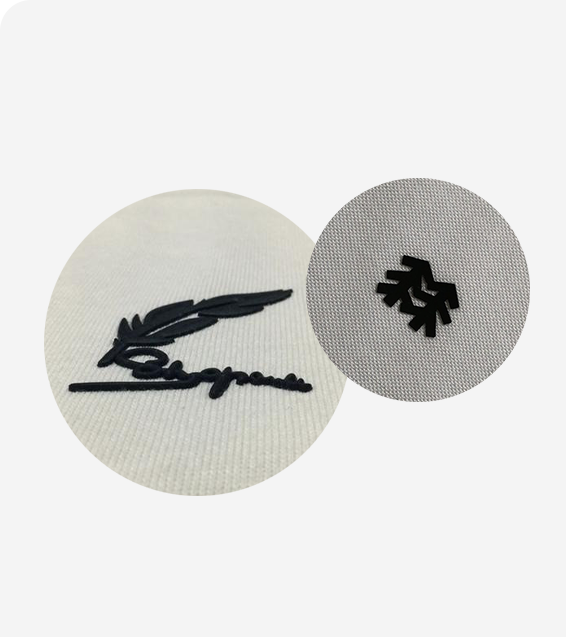
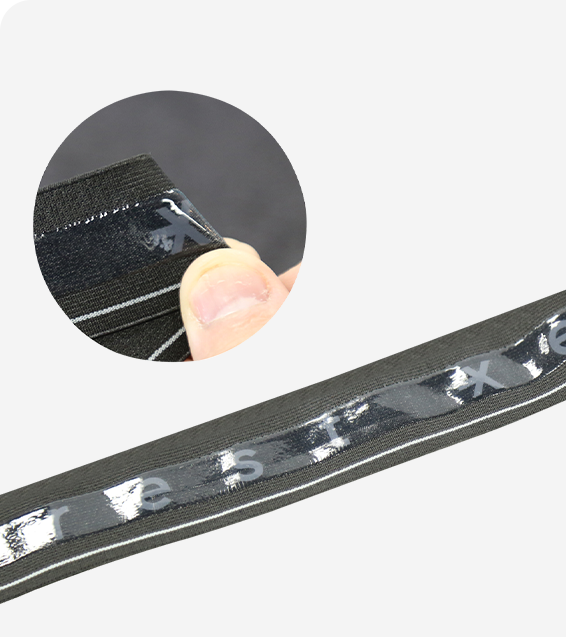
Soft touch
Flexible & Durable
High-end texture

Silicone ink is a viscous, transparent paste. Before use, it needs to be diluted with a silicone-specific thinner to achieve a printable consistency. For color mixing, use silicone pigment paste.

Silicone ink mixed with hardener must be used within 4–6 hours. Do not use it after this period.After printing, the printed silicone should be placed in an oven at 100–120°C for 1 hour to ensure complete curing.

Storage conditions:Avoid light, keep cool and ventilaion.
Select the appropriate screen mesh size according to the required printing thickness, pattern detail, and coverage. For high-build screen printing effects, a lower mesh count of 100–120 mesh is recommended, which is more suitable for thick-layer printing. For color printing, a higher mesh count of 150–180 mesh can be used. For silicone screen printing, the maximum recommended mesh count is 180 mesh. Higher mesh counts are more difficult to control and can easily result in visible mesh marks on the printed surface.
For silicone screen printing, a sharp-edge squeegee with a hardness of 65–70 Shore A is recommended.Silicone ink has a high viscosity and elastic, which makes it more prone to deformation and dragging during printing. A sharp-edge squeegee provides a more precise contact point with the screen, allowing the ink to pass through the mesh in a more controlled manner. This helps reduce ink dragging and uneven deposits, while maintaining a stable and uniform print thickness, which is particularly important for high-build and 3D silicone printing.
Our silicone ink is generally mixed with 10% hardener. The more hardener is added, the slower the silicone will cure. The mixing ratio should be adjusted according to the actual environmental conditions, such as temperature and humidity. Silicone ink mixed with hardener must be used within 4–6 hours. Do not use it after this period.After printing, the printed silicone should be placed in an oven at 100–120°C for 1 hour to ensure complete curing.
Do not mix different ink systems, series, or curing agents unless compatibility has been verified. Even small amounts of incompatible materials may affect viscosity, adhesion, drying, or final performance. Water-based or solvent-based inks cannot be screen printed directly onto silicone, as this result in poor bonding and delamination between the ink layers. If this application is necessary, a special intermediate layer treatment is required to ensure proper adhesion.
For polyester fleece fabrics, pay special attention to dye migration and sublimation issues. It is recommended to first print two layers of right-angle silicone ink, followed by a layer of anti-sublimation silicone ink. For Lycra fabrics with a silicone oil coating or fabrics that have undergone special surface treatment, silicone ink may cannot adhere directly to the surface. In such cases, apply 7# Silicone Ink as a base coat before proceeding with regular silicone screen printing.
Why do you keep having problems with your screen printing? Is it the ink? Or is it your technique?


Loading coupons...
通知